Category "Child Health"

8Feb2023

Mental health is an important part of a child’s overall wellbeing, yet many children face significant challenges in accessing the mental health services they need. In this blog post, we’ll explore some of the common barriers to mental health services for children and how we can break them down.

Barriers to Mental Health Services for children

Mental health services can be a critical lifeline for children and their families, but barriers to access often prevent children from receiving the care they need. This article will discuss some of the most common barriers to mental health services for children and identify ways to address them.

Structural barriers to service use include a shortage of behavioral health care providers, particularly in rural areas. This shortage often leads to long wait times for appointments and reduced access to care for those who do receive treatment.

The introduction or expansion of primary-care-based mental health services would relieve the pressure on primary care practitioners and allow quicker access to care for those who do receive treatment.

Poor engagement with healthcare services, including mental health among children’s caregivers, can be an additional barrier to care. Many caregivers are not aware of the resources available to them or the benefits of seeking help for their children. In some cases, caregivers may be reluctant to seek help due to cultural beliefs or stigma around mental health disorders.

Barriers related to the child’s psychosocial problems are also common barriers to mental health services. Many children with psychosocial problems experience difficulty accessing services because they do not understand how to ask for help or do not feel comfortable discussing their problems with strangers. Some children also struggle with transportation, child care, and other logistical issues that make it difficult for them to attend appointments.

Despite the many challenges faced by children and their families when seeking mental health services, there are many ways to overcome barriers. Families should be encouraged to seek help early when they notice signs of problems and should be aware of the various resources available in their community.

Additionally, professionals working with children and their families should be well-versed in providing mental health services and should be able to navigate the bureaucratic process.

you can read also: The Role of Mental Health Services for children

Lack of Knowledge

It is no secret that many children face barriers when it comes to accessing mental health services. This is due, in part, to a lack of knowledge about mental health disorders and the help-seeking pathways available.

According to the majority of studies (96%), the biggest barrier to mental health services for children is a lack of confidence. This lack of confidence often stems from a lack of awareness about mental disorders and the resources available. Furthermore, children report not seeking help due to a lack of knowledge about mental health disorders and services, stigma, and negative perceptions.

Fortunately, there are steps that we can take to address these barriers. First and foremost, we need to increase awareness about mental health disorders among children and their caregivers. Secondly, we need to provide more resources and reimbursement for primary care practitioners who are willing to recognise and treat mental health disorders in children.

Finally, we need to increase the number of providers who are trained in recognising and treating mental health disorders in children. By working together, we can help reduce the barriers that prevent children from accessing needed mental health services.

Care Quality Commission Report

The Care Quality Commission (CQC) released their annual report on the use of the Mental Health Act in 2020/21. In the report, CQC warns that despite some improvements in children’s mental health services, in 2020/21, just 23% of children referred to services received a diagnosis or treatment that met the standards of care.

This is quite alarming given that children and young people are at a higher risk for developing mental health problems. It is important that services are available to meet the needs of all children and young people who need them, and that barriers to care are eliminated. CQC’s report highlights the importance of investing in child and adolescent mental health services, and urges the government to do more to support this area of healthcare.

Meaningful access to quality mental health services can help protect children and young people from developing problems in later life. We hope that the government will take these findings into account as they continue to develop policy surrounding mental health care for children and young people.

Long Distance Care

As the world becomes increasingly digital, it has become more difficult for people to connect with one another face-to-face. This trend has had a significant impact on the way that mental health services are delivered, as it is often difficult for patients to travel long distances to see a therapist.

Additionally, the cost of mental health services can be a barrier for some people. In fact, a study conducted by the World Health Organization found that approximately two-thirds of people who needed psychological care but did not receive it cited financial reasons as a barrier.

Despite the barriers that patients face, there are many providers of mental health services who are willing to help those in need. It is important for caregivers and patients to be aware of these barriers and work together to overcome them.

Future research is required to better understand the role that parents play in accessing mental health care for their children and to identify solutions that will make care more available to everyone.

High Costs and Lack of Insurance Coverage

Mental health problems are common in children, and as a result, they need access to quality mental health services. Unfortunately, many children face barriers to accessing these services, including high costs and a lack of insurance coverage.

According to a study conducted by the Children’s Hospital of Philadelphia, cost barriers (33.5%) and lack of insurance (15.9%) were the most commonly reported obstacles to accessing mental health care for children.

These costs can range from out-of-pocket expenses to the cost of services themselves. In addition, a lack of knowledge about mental health services also frequently stands in the way of children accessing needed care.

Though mental health problems can be quite serious, many children don’t receive the help they need due to these barriers. If you are a parent or guardian of a child who is struggling with mental health issues, make sure to seek out quality care. There are many resources available that can help you find the help your child needs.

you can read also: Methods of behavioral discipline for children in psychiatry

Stigma of Mental Health Services

According to a study published in The Lancet, stigma of mental health services is one of the main barriers to children’s access to care. Stigma of mental health services refers to the negative attitudes and beliefs that people have about mental health problems. This stigma can prevent people from seeking out or receiving the services they need, which can lead to serious consequences for children.

One example of a consequence of stigma is that children may avoid seeking out mental health care, which can lead to their problems becoming worse. In addition, children who do seek out mental health care may not receive the support they need, which can lead to further distress.

Mental health literacy is one factor that can help overcome stigma of mental health services. Mental health literacy refers to the understanding of psychological concepts and terminology. When people have mental health literacy, they are more likely to be able to talk about their problems in an open and confident way. This allows them to receive the help they need and avoid feeling stigmatized.

There are many ways that we can work to reduce the stigma of mental health services. We can educate our community about the dangers of stigma and the effects it has on our society.

We can also work to create policies that support access to mental health care for all individuals. In addition, we can work to increase the awareness of mental health services among children and their families. By doing these things, we can help ensure that everyone has access to the care they need.

Cultural and Language Barriers

Mental health problems can affect anyone, but they are especially common among children and adolescents. For many of these children and adolescents, cultural and language barriers can be barriers to accessing mental health services.

For example, many children and adolescents with mental health problems come from families who do not speak English well. This can make it difficult for them to communicate with their healthcare providers. In addition, many healthcare providers are not familiar with the cultural values of minority language speakers. As a result, they may misunderstand or refuse to receive treatment based on the language spoken by the child or adolescent.

Fortunately, providers are increasingly recognising these barriers and working to overcome them. For example, some hospitals now have bilingual staff who are able to provide treatment in the child’s preferred language. Additionally, many mental health agencies have programs that help minority language speakers connect with providers who are fluent in their language.

By working together, we can help children and adolescents with mental health problems access the services they need.
6Feb2023

Are you concerned about the mental health and wellbeing of children in your community? Are you looking for ways to support them? Mental health services can provide much-needed help, guidance, and resources to children in need. In this blog post, we will discuss the role of mental health services for children and how they can benefit from them.

The Role of Mental Health Services for children

Mental health services are essential for children and adolescents. In fact, it is estimated that approximately one in five children in the United States experiences a mental health problem each year.

Mental health problems can be serious, and if not treated, can lead to long-term consequences. For example, children who are struggling with anxiety or depression may have difficulty maintaining their grades or staying out of trouble.

Fortunately, there are many resources available to help children and adolescents with mental health problems. Mental health services can be provided by a variety of professionals, including psychiatrists, psychologists, social workers, and therapists.

Mental health services for children and adolescents can be expensive, but they are worth it. If you are a parent or guardian of a child or adolescent who is struggling with mental health problems, please don’t hesitate to seek out the help that your child needs.

Understanding Mental Health Services for Children

Mental health services for children are essential in order to help them reach their full potential and to cope with problems when they arise. These services can be found in a variety of places, including schools, clinics, and parent support groups.

Mental health services for children are usually free and confidential. They are available to anyone worried about the emotional or mental wellbeing of a child or young person.

YoungMinds is a national charity that provides free confidential online and telephone support to anyone worried about the emotional and mental wellbeing of a child or young person up to the age of 25.

you can read also: Methods of behavioral discipline for children in psychiatry

The Relationship of Mental Health to Physical Health and Academic Success

The relationship between mental health and physical health is well-known. It has been shown that having good mental health is linked to having good physical health.

In addition, it has also been shown that having good academic success is linked to having good physical health. However, the relationship between mental health and academic success in children has not been extensively studied.

Recently, a study was published that investigated the relationship between mental health and academic success in a random longitudinal sample of students.

The study found that students who had good mental health were more likely to have good academic success. Furthermore, the study found that the relationship between mental health and academic success was strongest during college years.

Based on these findings, it can be inferred that schools should invest in providing school-based mental health services to improve the academic success of their students.

The Benefits of Mental Health Services

Mental health services play an important role in the lives of children. They can help children with difficult emotions and behaviors, improve their quality of life, and function well in their communities.

There are many benefits to mental health services for children. For example, children who receive mental health services often have a positive quality of life and can function well at home, in school, and in their communities. They also have a reduced risk of developing mental disorders later in life.

Mental health services are important for all children, but they are especially important for those who are struggling. If you are a parent or guardian and your child is struggling with mental health issues, please talk to a professional about how to access the services he or she needs.

The Impact of Mental Health Services on Families

Mental health services play an important role in the treatment of children and adolescents who suffer from mental health disorders. Services can help children and families by addressing the distinct roles that mental health plays in parenting.

For example, services can help parents who have mental health disorders to get the care they need and help children who are struggling with emotions or behavior.

Mental health services are valuable for families because they can help children and adolescents overcome difficulties in their lives. For example, services can help children who have difficulty with emotions or behavior to feel better understood and supported. In addition, services can improve family communication and relationships.

Mental health services are especially important for families who have a member who suffers from a mental health disorder. Services can help families coping with the challenges of having a loved one with a mental health disorder. Additionally, services can help parents to provide better care for their children.

There is still work to be done in order to ensure that all children and adolescents have access to quality mental health care. However, by providing services that address the unique needs of families, we can help ensure that all children receive the support they need to thrive.


6Feb2023

If you’re a parent looking for ways to effectively manage your child’s behavior, you may have considered the use of behavioral discipline in psychiatry. In this blog post, we’ll discuss some common methods used by psychiatrists to help children learn appropriate behaviors. We’ll also provide tips on how to use these methods effectively and safely.

Methods of behavioral discipline for children in psychiatry

Methods of behavioral discipline for children in psychiatry are a necessary and critical aspect of positive child development Child psychiatry is primarily concerned with the study and treatment of behavioral disorders and emotional problems that affect children. Spanking or striking children as a method to correct bad behaviour has been widely used by parents in many cultures as a primary means of discipline. However, research has shown that this form of discipline is not effective and can have negative consequences for children. There are several alternatives to spanking or striking children, such as verbal discipline, time-out, and natural consequences. It is important for parents to find an approach that works best for their child and that meets their standards of discipline.

The Controversy Over Physical Punishment

Abusive physical punishment, or spanking, is a common method of behavioral discipline used in psychiatry. However, this practice is now widely considered to be ineffective and potentially harmful. In recent years, there has been a growing body of research showing that spanking and other forms of physical discipline can pose serious risks to children, including increased rates of child physical abuse and child maltreatment.

Despite this evidence, many psychiatrists still use physical punishment as a form of discipline. Some claim that it is effective in getting children to comply immediately, but others believe that it can escalate into physical maltreatment. Due to the growing body of research demonstrating the risks and lack of effectiveness of physical punishment, psychiatrists should abandon this practice and instead focus on more effective methods of behavioral discipline.

What is Corporal Punishment?

Corporal punishment is a widespread disciplinary method used to punish children. This includes a wide variety of methods that employ pain as a negative reinforcement to modify behaviour. Some of the most common methods include corporal punishment (spanking or striking children), verbal discipline (scolding or yelling), and positive reinforcement (gifting children privileges).

While corporal punishment has been shown to be an ineffective way to improve child behaviour, it is still widely used in many cultures around the world. This is due, in part, to the belief that it is a traditional method of disciplining children. However, there are risks associated with this type of discipline, including the risk of straining the caregiver/child relationship and exacerbating a child’s psychiatric symptoms. Ineffective discipline methods, including corporal punishment, should be avoided when possible in order to provide a safe and healthy environment for children.

You can read also: Methods of care and psychological support for the child

Behavioral Management for Children and Adolescents

Discipline is a critical component of any child psychiatric treatment plan. Effective and positive discipline is about teaching and guiding children, not just forcing them to obey. There are a variety of methods that can be used to achieve this goal, and the choice of method depends on the situation and the child involved. Some common methods of behavioral discipline include verbal reasoning, logical consequences, positive reinforcement, and time-outs.

Research on the effectiveness of behavioral management services for children and adolescents is mixed. Some studies have found that these services are effective in reducing problematic behaviour, while others have not. What is clear, however, is that these services are important for children and adolescents who suffer from mental illness or disorder. By understanding the research findings and using various methods of discipline, clinicians can help their patients reach their full potential.

The Impact of Parenting Styles

Behavioral discipline is a crucial part of child psychiatry, and there are many different methods that can be used to discipline children. However, research has shown that authoritarian and permissive parenting styles are not effective in disciplining children. In this study, we aimed to test the effect of mothers’ and fathers’ authoritative and authoritarian parenting on child problem behavior.

We hypothesized that parenting styles that incorporate both psychological and physical aggression, widely accepted and practiced in our culture, would be associated with higher levels of child problem behavior. Our results showed that parenting styles that incorporate physical aggression were associated with higher levels of child problem behavior. We also found that authoritative parenting was not associated with better child problem behavior, contrary to our hypothesis. These results suggest that both psychological and physical aggression are harmful to children, and that authoritative parenting does not provide any benefits.

The Benefits of Positive Reinforcement

Positive reinforcement is one of the many techniques which can guide a child towards behavior that is well-received, such as picking up his toys after he has thrown them across the room. It is a common practice in psychiatry to use positive reinforcement to discipline children who are having challenging behaviors. There are a few benefits which come with using positive reinforcement in this way. Firstly, it is an effective way to tap into your child’s individual strengths. This will draw attention to their personality traits and interests, which can help you better understand them. Additionally, positive reinforcement helps in character building as it has several long-term benefits. For instance, it can help increase a child’s self-esteem and motivation. Furthermore, positive reinforcement is less likely to result in resistance or anger than punishment.

you can read also: When do you start raising a child?

Tools for Effective Discipline

Behavioral discipline is one of the most important aspects of psychiatry. It is essential to help children with psychiatric disorders learn to live healthy, productive lives. There are a number of different methods that can be used to discipline children, and each has its own advantages and disadvantages. Some common methods of behavioral discipline include: positive reinforcement, time-out, verbal reasoning, logical consequences, physical punishment, and group punishment.

The most important factor in choosing the right method of discipline is always to be moderate and fair. You need to be patient and give your child the opportunity to learn from his or her mistakes. Additionally, it is important to always consult with a psychiatric professional before using discipline methods in order to make sure that they are appropriate for the child’s situation and behavior.

For more information on how to discipline your child, please visit WebMD’s website or speak with your pediatrician.


5Feb2023

If you’re looking for activities to keep your kids engaged without relying on electronic gaming, then this blog post is for you.

Alternatives to Electronic Gaming for children

We’ll cover some alternative activities that will help promote creativity, imagination and physical activity in children. From board games to outdoor activities, read on to learn more about the best alternatives to electronic gaming!

  1. Understand Why Your Child May Lash Out

When it comes to video games, there are a few things to keep in mind.

  • First of all, video games can be addictive and may lead to your child spending too much time playing them.
  • Secondly, chores don’t work as an alternative to playing video games.
  • Thirdly, trying to force your child to do other activities instead of playing video games may not be the best solution.
  • Fourthly, if your child is exhibiting signs of post-screen-time anger, such as lashouts or desire for gaming over other activities, you may want to monitor their screen habits.
  • However, there are several alternatives to electronic gaming that can provide your child with a healthy outlet for their energy.

Exergames, like Just Dance which provide a workout similar to exercising at a gym or running outside, are a great way to avoid post-screen-time anger while also providing a fun and challenging experience. So if you’re looking for an alternative to electronic gaming that will keep your child happy and healthy, exergames are a great option!

  1. Find Replacement Hobbies

When it comes to spending time with our children, there are many things that can be done. However, for many parents, the idea of letting their children play video games instead is off-putting. Fortunately, there are many other hobbies that children can engage in instead.

For one week, keep a log of the time spent playing video games. This will give you an idea of how much time your child is spending on electronic devices and allow you to see if video games are really the best option for them.

Additionally, video-record your own scenes to a video game or cartoon. Doing this will help you to connect with your child on a deeper level and give them a sense of ownership over their favorite hobby.

Finally, engage your child in creative activities such as painting or sculpting. By doing these things, you will be providing them with positive alternatives to electronic gaming that will keep them entertained and engaged.

You can also read: The importance of movement for children

  1. Try Games Like Bugs in the Kitchen, Enchanted Forest, Doodle Quest and Flashlights & Fireflies

Although many children are avid electronic gaming fans, there are other fun and entertaining alternatives that they may not be aware of. Some great games to try include Bugs in the Kitchen, Enchanted Forest, Doodle Quest and Flashlights & Fireflies.

These games are all available on mobile devices and can be played in short bursts or for hours on end. They are also great for developing problem-solving skills, hand-eye coordination and strategic thinking. In addition, they are also a great way to spend time with family and friends.

  1. Make Photo Albums

There are a lot of fun ways to spend time with your kids that don’t involve playing electronic games. Some great alternatives include looking through photo albums or school memorabilia, playing games like Bugs in the Kitchen, Enchanted Forest, Doodle Quest, and Flashlights & Fireflies, and mixing up your routine by mixing in some nostalgia with a trip down memory lane.

  1. Take a Trip Down Memory Lane

As parents, it can be hard to find a balance between providing our children with the toys and gadgets they need and letting them have fun without screens the whole day.

Luckily, there are plenty of alternatives to electronic gaming for children that provide the same level of stimulation while keeping them occupied and away from screens. Here are five of our favorites:

  • Play with blocks or other physical toys. This is a classic and always-popular option that is great for both babies and toddlers.
  • Make your own games with paper, cards, or other simple objects.
  • Draw or paint with your child.
  • Take a trip down memory lane with your child by playing old video games or watching old movies together.
  • Find a group activity that your child can join, such as a park play date or arts and crafts session. These are all great ways to get your child away from screens and into fun activities with other kids.
  1. Search Using 12 Filters, Including Free Hobbies and More

Video games have become an increasingly common form of entertainment for children and teens. While they can be fun, video games can also have negative effects on children and teens.

If you’re looking for alternatives to electronic gaming, Qustodio has a wide selection of child-friendly filters and tools to help you find the right activity for your child. You can also use our family media plan to keep your children safe while they’re using the internet.

  1. Learn an Instrument

For many children, learning to play an instrument is a cherished dream. However, with the increasing popularity of electronic gaming, it can be difficult for children to find time to learn an instrument. Luckily, there are many alternative ways for children to learn music. One such way is through video games.

Video games have been proven to be an effective way for children to learn how to play instruments. In fact, a study conducted by the National Academy of Sciences found that video game playing can improve reading skills and math skills. Additionally, video games can be a fun and entertaining way for children to spend their time.

So if your child loves playing video games but you want them to learn to play an instrument too, try finding a game that has a music component. There are many great options available on the market today.

  1. Get Creative With Writing

Children are always looking for ways to keep themselves busy and entertained, which is why electronic gaming can be such a popular option for them. However, there are plenty of other activities and games that children can enjoy without resorting to electronic gaming.

One alternative is to try card games like Uno, Hearts or Rummy. These games are easy to learn and can be played with any number of players. Another fun game to try is a dice game like Tenzi or LCR.

In these games, players roll dice to move their pieces around the board, and the first player to reach the end of the board wins the game. Finally, children can also engage in creative writing activities by writing stories, creating artworks or writing poetry.

By incorporating different activities into their daily lives, children will not only have fun but will also develop skills that will help them in their future endeavors.

you can also read: Encouraging and supporting the child’s creative skills

  1. Turn a Game Into a Hobby

Gamers of all ages will love these alternative hobbies to electronic gaming. From programming to editing, your kid’s favorite hobby could become an awesome outlet for his or her imagination. Here are nine different activities to get your kids engaged in this summer:

  • A summer hike is a great way for kids to explore their surroundings and build endurance.
  • Spend the weekend camping out in a beautiful location with your family and friends.
  • Gardening is a great way to teach kids about plants and soil composition.
  • Have your child take some amazing photos this summer using his or her creative side.
  • Painting is another great activity that can be done by kids of all ages.
  • Fishing is a classic outdoor activity that can be enjoyed by all ages.
  • Cooking can be a fun activity for kids to do with their families or friends.
  • Programming is a complex and challenging activity that can be enjoyed by kids of all ages and abilities.
  • Editing videos or photos can be a fun activity for kids to do on their own or as part of a group project.

5Feb2023

Are you a parent looking for ways to keep your kids entertained without sacrificing their health and wellbeing? Or are you a teacher looking for ways to engage your students in the classroom?

If so, then this blog post is perfect for you! In this article, we’ll explore the effects of electronic games on children’s behavior and how they can affect learning outcomes. We’ll also look at how parents and teachers can use these digital tools to help foster healthy development.

The effect of electronic games on children’s behavior

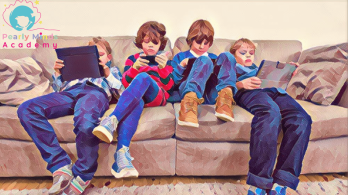
Every day, children are bombarded with electronic games. Some parents believe that video games are a substantial source of enjoyment for children and that they should be allowed to play them as much as they want. However, there are also people who believe that video games can have negative effects on children’s behavior.

The theory goes further to argue that exposure to violent video content increases aggression related thoughts and feelings and physiological arousal. In some studies, frequent play with violent video games is correlated with lower school performance, more aggression, delinquency, and behavioral and emotional problems.

So, what is the verdict? Is playing electronic games good or bad for children? The answer is that it depends on the child. Some children may enjoy playing video games and develop wired behaviours like avoiding school and developing poor social skills.

On the other hand, too much video game can lead to poor social skills, time away from family, school work and other hobbies, lower grades, reading less, exercising less, and developing a love for violence in video games.

It is important for parents to monitor their children’s video game playing habits to make sure that they are not having negative effects on their behaviour.

The Impact of Violent Video Games on Children

There has been a lot of debate lately as to whether or not electronic games have a negative impact on children’s behavior. While some studies have shown that violent video games may have a long-term impact on some children’s.
behavior, other studies have shown that the use of electronic games may actually improve social and cognitive skills. It is important to note that there is no clear answer as to whether or not video games are bad or good for children.

However, it is important to provide children with a balanced and healthy lifestyle, including regular physical activity and exposure to nonviolent video games.

The Impact of Video Games on Social Skills

Electronic games have had a significant impact on children’s social skills over the past few decades. A study found that children who are video game addicts have lower grades and have more destructive behaviors such as arguing and fighting with parents.

In addition, video game addicts have difficulty controlling the amount of time they spend playing. They may resist their parents’ attempts to limit their playtime.

While electronic games are a fun and entertaining way for children to spend their time, too much involvement can have negative consequences. Parents should monitor their children’s gaming habits to make sure they are not becoming addicted and engaging in harmful behavior.

You can read also: Educational games for children and their benefits

The Role of Parental Involvement

According to recent studies, electronic games have a negative effect on children’s behavior. One study showed that video game addicts have lower grades and have more destructive behaviors such as arguing and fighting with parents.

In order to help children avoid these negative consequences, it is important for parents to be involved in their children’s gaming habits. By providing prevention strategies, parents can help their children develop healthy gaming habits that will have no negative impact on their behavior.

The Impact of Excessive Video Game Use on Health

In recent years, there has been a growing concern about the effect that excessive video gaming has on children. A study published in the journal ” Pediatrics ” found that 3 hours or more of video gaming can be damaging to a child’s health. The study concluded that:

  • 6% of children use violent video games for two hours per day, this could affect the children behavior negatively because most games are designed for an immersive experience.
  • prolonged gaming has long been associated with increased addictive behavior and decreased psychosocial health.
  • There has been a correlation between violent game use and aggressive behavior.
  • However, there is insufficient evidence to link violent video games to child aggression.
  • Therefore, it is important for parents to be aware of the negative effects that excessive video game use can have on their children and to restrict their child’s exposure to these types of games.

4Feb2023

Are you a parent looking for ways to help your child learn to correctly pronounce words? Or maybe you’re an educator trying to help your students improve their pronunciation? Whatever the case may be, this blog post is here to help. We’ll give you some tips and tricks on how to correct pronunciation in children so that they can develop good speaking habits early on. Let’s get started!

How to correct pronunciation in children

Pronunciation is essential for good communication in English, but it can be tricky for parents to teach their children proper pronunciation. In this article, we will provide a few tips on how to correct pronunciation in children.

When teaching your child English pronunciation, it is best to start with the phonetic alphabet and vocabulary charts found in phonics books. Introduce them to the phonetic alphabet and have them practice reading words using the phonetic alphabet.

You can also have them listen to recordings of children speaking English, and ask them to identify the correct pronunciation of each sound. Additionally, you can have them watch popular children’s movies and TV shows with accurate English pronunciations. Last but not least, be patient and consistent with your instruction. If you make mistakes yourself as a parent, your child will learn to do the same.

Don’t Worry About Perfect Pronunciation

If you are like most parents, you probably worry about your children’s pronunciation. You want them to speak with perfect English pronunciation, right? Wrong. In fact, you should let your children play with and discover sounds – this is an important stage in their development.

Beginning level English learners often struggle with pronunciation because they don’t have a good understanding of how speech sounds work. Tongue twisters are a great way to introduce your child to the different consonant sounds. They are especially useful for helping them learn how to say ‘buzz’ and ‘drum’ correctly.

However, don’t worry if your children are already too big to recite to them. Working on your pronunciation skills is definitely worth the effort. Here are 8 effective strategies to help you sound like a local:

  1. Use British English Pronouncing American English words correctly can be difficult for international students studying in the UK. For example, the word ‘please’ is pronounced as ‘pɛləze’ in British English. When your child is learning English, try to use British English as much as possible to make pronunciation easier.
  2. Practice regularly Make sure you practice regularly. Even if your child is speaking perfect English, they will still improve if they practice speaking every day.
  3. Don’t stress about it Remember, mistakes are part of the learning process. Stressing about your child’s pronunciation will only make things harder for them.
  4. Encourage creativity Encourage your child to use their imagination when pronouncing words. For example, they might say ‘bat’ as ‘batty’ or ‘scoot’ as ‘skoot’. This will help them learn how to sound different words correctly.
  5. Reward progress If your child is making significant

Introduce Rhymes and Tongue Twisters

When it comes to pronunciation, it’s important to introduce rhymes and tongue twisters early on in a child’s development. By doing so, you can help to improve their pronunciation and fluency in English.

One of the best ways to do this is by using songs. You can find a wide selection of English songs on YouTube that are perfect for teaching pronunciation. Additionally, you can create your own tongue-twisters using easy-to-understand words. By doing so, you will help your child to practice their English pronunciation in a fun and relaxed way.

you can read also: How to teach a child to spell

Name Items Together

One of the most important things you can do to help your child improve her pronunciation is to have her name items together when completing tasks. For example, if she is looking at a book, it is helpful for her to be able to pronounce the words in order from front to back, top to bottom, and left to right.

This will help her to better understand the spelling of the words and make pronunciation easier. Additionally, helping your child to pronounce words incorrectly from time to time will help her learn how to spell them correctly.

Create A Positive Learning Environment

When it comes to learning English, pronunciation is an important factor. If you want your children to speak the language correctly, it is important to create a positive learning environment and provide them with the resources they need to succeed.

One way to do this is to model the correct pronunciation of ELLs’ names to the class so that all students can say the correct pronunciation. Additionally, offer one-on-one assistance when needed. By doing these things, you can help your children develop a positive attitude towards learning English and pronunciation.


1Feb2023

Are you looking for ways to strengthen your child’s speech apparatus? Is your child having difficulty with pronunciation and articulation? If so, then this blog post is for you.

Here, we’ve gathered a list of exercises that can help children improve their speech and language skills. Keep reading to learn more!

Exercises to strengthen the speech apparatus for children

As parents, it is our responsibility to help our children develop their speech and communication skills One way to do this is by providing them with exercises that will help strengthen their speech apparatus.

This can be done through various activities, such as reading joke books with them, playing games together, and practicing oral motor exercises.

By doing these activities, we can help our children improve their speech and communication skills.

Additionally, by providing them with regular speech and language therapy, we can help them to overcome any minor speech delays or articulation problems they may have.

Making Sure the Baby Has No Articulatory Apparatus Deviations

One of the most common problems that babies face when it comes to speaking is a lack of adequate articulatory apparatus. This can result in a variety of speech sound disorders, including dysarthria.

However, with the help of oral motor exercises, proper breathing, and sound stimulation, the baby’s speech apparatus can be strengthened and corrected. Here are a few exercises that you can do with your child to help improve his or her speech:

– Make your child yawn by pushing down on the back of their tongue and raising up the velum (soft palate).
– Help your child understand the importance of stretching by asking them to produce a big yawn.
– Have your child perform tongue twisters to increase oral motor awareness and strengthen the tongue muscles.
By following these simple exercises, you can help your child achieve optimal speech development.

Improving Speech Through Oral Motor Exercises and Stimulation

Many children have difficulty with their speech apparatus, specifically their oral motor skills.

These exercises can help to strengthen the muscles used in speaking and feeding skills. Start by doing these exercises once through, 10 times a day. If you feel any pain, mention it to your speech therapist or doctor.

You can read also: How to teach a child to spell

Using Games and Exercises to Improve Language Development

Many children struggle to produce clear and accurate speech due to a weak speech apparatus. To help strengthen this area of their development, parents can participate in a variety of fun and easy exercises at home. Here are a few examples:

  1. Play games with your child that involve using signs. For example, have them sign “ball” when you toss a ball their way, or ask them to point to things like cars or trains when you drive them around.
  2. Sing songs together that feature clear and accurate pronunciation. For example, choose songs that are in the child’s native language, or that are rhyming or have easy-to-remember lyrics.
  3. Play with toy vehicles or figurines and have your child imitate the sounds they make. This will help them learn how to produce specific sounds correctly.
  4. Play with blocks, construction sets, and other elongated objects and have your child use them to communicate ideas such as “big” or “small”.
  5. Practice writing letters and words by hand on paper, or on a whiteboard if you have one available. This will help the child better understand how to form sounds correctly and practice forming letters in all directions.
  6. Spend time each day working on oral language skills by giving your child opportunities to practice saying words aloud, responding correctly to questions, and producing vowel sounds correctly.

By following these simple tips, parents can help their children develop better speech and language skills – both in the present and in the future.

Using Voice Amplifiers and Picture Communication Systems

A voice amplifier is a mini public address system you can clip on your belt or wear. It is often used to help people with hearing loss or other disorders to communicate.

Picture communication systems are devices that allow people to communicate using pictures instead of words. Picture communication systems come in a variety of forms, including picture phones, picture messaging systems, and picture e-mail systems.

Both voice amplifiers and picture communication systems are useful tools for strengthening the children’s speech apparatus. By using these devices, children can learn how to communicate more effectively and improve their quality of life.

Stutter Management Through Exercises

Stuttering, sometimes called stammering, is a speech disorder that can impact any language. It is characterized by hesitation, prolongation, or repetitions in speech. Although stuttering can’t be completely cured, there are ways to manage it.

One of the most physical stuttering speech therapy exercises is focused on jaw movement. A therapist will ask your child to speak in short bursts, with their mouth closed, and then measure the time it takes for their jaw to move from one position to the next. By working on this muscle, your child may be able to more fully control the functions of the speech apparatus and control how and when they speak.

Another exercise that may help children strengthen their speech apparatus is called “The Jaw Technique.” This exercise involves asking your child to speak in short bursts, with their mouth closed, and then measuring the time it takes for their jaw to move from one position to the next. By working on this muscle, your child may be able to more fully control the functions of the speech apparatus and control how and when they speak.

In addition to exercises aimed at strengthening the speech apparatus, Mouth works also provides access to devices that improve communication in all stages of the disease; Regain lost skills and increase quality of life. Our speech pathologists use these devices effectively for many years to control stuttering and manage technique.

You can read also: Modern methods of teaching children

SLP Demonstration of Correct Pronunciation

The speech apparatus of a child is delicate and needs to be strengthened regularly in order to ensure proper pronunciation. Here are a few exercises you can do with your child to help strengthen their speech apparatus.

First, have your child try pronouncing the sound in isolation. Next, have them tier the sound- first, by pronouncing it alone, then adding the /r/ sound after it. Finally, have them practice using the /r/ sound constantly throughout the day. By doing these exercises regularly, your child will be able to correctly pronounce the /r/ sound and speak with clarity and precision.


1Feb2023

Are you concerned about your children’s health and development? Do you want to encourage them to stay active and have fun while doing it? If so, this blog post is for you! We’ll discuss the importance of movement in child development, how it helps promote healthy habits, and tips for getting your kids moving.

The importance of movement for children

As parents, it is important to understand the importance of movement for children Movement enhances brain functioning, and research has shown that children who are more physically fit do better academically.

In addition, movement activities help improve balance, coordination, and rhythm. These benefits extend to children’s skills in areas such as small motor skills, musical instruments, and socialization.

It is important to introduce movement and physical activity at an early age for the best developmental support Movements can be done in a variety of settings such as at home, at a park, or at a dance class.

Additionally, music and movement can be integrated into early childhood development programs This study is intended to illustrate the importance of movement for children Moving forward, it is our hope that parents will take notice of the importance of movement and physical activity and provide the best developmental support for their children.

Benefits of Movement for Brain Development

Movement is essential for brain development, and has many benefits for children Here are seven reasons why movement is so important for kids:

  • It helps build physical fitness.
  • It promotes cognitive development.
  • It helps improve balance and coordination.
  • It helps improve muscle strength and endurance.
  • It helps increase flexibility and range of motion.
  • It helps with stress relief and anxiety reduction.
  • It helps kids learn how to socialize and interact with others.

you can read also: what is Gross motor skills for children

Movement Encourages Exploration

Movement is important for children, and it encourages exploration and development in a variety of ways. Infants might explore by touching, grasping, banging something, or crawling. Toddlers might explore by walking or climbing. Young children might learn how to solve puzzles, organize their toys, and communicate effectively through play.

By moving around often, children are able to build their strength and flexibility, as well as their endurance This type of physical activity also helps to improve moods and focus In addition, movement helps to develop problem-solving and creative abilities, as well as communication skills.

For children, movement is not only fun but also essential for their development. We encourage you to get your child moving as much as possible!

Movement Enhances Social Skills

Movement is essential for social development In fact, research has shown that movement helps improve social skills by engaging the brain and strengthening social connections.

This is why music and movement activities are so beneficial for children They help children learn to cooperate and communicate with others, which is essential for developing healthy social relationships.

Movement Enhances Emotional Development

It is no secret that movement and play are essential for healthy development of the brain In fact, research has shown that movement and play can improve memory, language, attention, emotional regulation, and decision making.

However, it is often difficult for children to get the movement and play they need due to a variety of reasons Fortunately, parents can help promote movement and activity in their children by providing opportunities for movement and play at home For example, parents can engage their children in group activities or play games that involve movement.

Additionally, parents can help their children to express their emotions by providing opportunities for them to share their feelings By doing this, parents are helping their children to develop healthy neural connections that will support their cognitive development in the future.

Movement Can Help With Cognitive Development

Movement is important for not only physical health, but also cognitive development. Many studies have shown that children who are more physically fit tend to do better academically For example, very young children begin to scoot and crawl for movement and while these activities help students practice important cognitive skills, singing or chanting can help make routine activities and transitions, such as gathering children into a circle or group activity, smoother and more enjoyable.

Although movement is vital for healthy brains, it is important to start early. By encouraging movement in young children, we can help them develop healthy habits that will last into adulthood.


31Jan2023

If you’re looking for ways to help children improve their communication skills, then speech therapy exercises are a great way to start. we’ll take a look at some of the best ways to help kids with their language development and communication abilities through targeted exercises.

What is Speech Therapy for children?

Speech therapy is a language intervention method that focuses on improving a child’s speech, their ability to discern speech, and overcome communication challe犀利士
nges. It is a highly effective way to help children increase their ability to communicate and socialize with others.

Speech therapy may start with a thorough evaluation of the child to determine what is causing their communication challenges. After this, the best resource for improving communication skills for children is typically practiced. Treatment usually consists of exercises tailored to the child’s specific struggles with communication or swallowing.

What Are Some Speech Therapy Exercises to Try at Home?

There are many speech therapy exercises that you can try at home with your children to help them improve their ability to communicate. Some of these activities focus on building vocabulary, while others help your child learn how to talk more effectively.

One of the most important things you can do for your child is to encourage them to communicate for themselves. This can be done through repetition and games that are tailored to their individual interests and level of development.

By practicing these speech therapy exercises at home, you will help your child to become more fluent and confident in their communication skills.

How Does Speech Therapy Work For Children?

One of the primary goals of a speech and language therapist is to optimize a child’s ability to communicate. Speech therapy can help children improve their ability to speak, understand, and listen. Through tailored exercises, children are able to significantly improve their communication skills.

Speech therapy begins by focusing on improving speech muscles through exercises that develop language or communication skills. Children may use any method of communication, such as spoken language, sign language, or gestures.

If your child has a special need such as autism, dyslexia, or developmental delay, speech and language therapy may also involve teaching them new and important skills necessary for communication, fluency in spoken language, and swallowing.

By following the advice of a speech and language therapist and working together, parents can help their children reach their full potential in communication.

Interactive Games To Improve Communication Skills

There are many ways to improve your ability to communicate through speech therapy exercises for children. Playing interactive games is one of the most effective ways to do this. These games encourage children to use their imaginations and creativity, which can help them develop better communication skills.

Some of the best games for improving communication skills for kids include Those Darn Spiders!, Making Friends With Words, and Word Jumble. These games are not only fun to play, but they also help build essential communication skills such as turn-taking, listening, and understanding.

So whether you’re looking to improve your child’s language skills or just have some fun, try out one of these interactive games. They’ll be sure to have a positive impact on their communication abilities!

you can read also: Exercises to strengthen the speech apparatus for children

Tips to Enhance Speech and Language Abilities

One of the most important skills a child can learn is how to communicate effectively. Speech and language therapy can help improve a child’s ability to communicate through exercises that build foundational skills. Here are 15 communication strategies that speech therapists might use with their patients:

-Maintaining eye contact
-Responding with speech
-Imitating vocalizations using different patterns and emphasis
-Using pictures
-Drawing pictures
-Talking on the phone
-Writing
-Listening to music
– attending group meetings
– practicing spoken and written exercises

Speech Therapy For Children With Autism

As a child with autism, it can be difficult to communicate effectively. To help improve your child’s communication skills, you can use speech therapy exercises. These exercises will help your child to improve his/her expressive language skills. Additionally, speech therapy can help your child to better communicate with others.

There are a variety of speech therapy methods that are available for children with autism. Your therapist will choose the best approach for your child. Some common exercises include play, social skills groups, and coaching.

In addition, speech therapy may also focus on improving communication in specific areas, such as making and maintaining friendships or participating in social activities.

By following these strategies, you can help your child to improve his/her communication skills and achieve his/her goals.

How To Maximise Children’s Ability To Communicate

Many children struggle to effectively communicate their needs and wants, which can lead to difficulty in completing everyday tasks and interactions. For these children, speech therapy can be a powerful tool in improving their ability to communicate.

One of the primary goals of a speech therapist is to help a child increase their functional communication skills. These skills include the ability to clearly state one’s own wants and needs, as well as the ability to understand and respond appropriately to others.

Through a variety of exercises and activities, speech therapists help children to improve their ability to communicate in both verbal and nonverbal ways. This allows them to have more successful interactions with others, and overall leads to a better quality of life.


31Jan2023

Do you want to help your children develop healthy eating habits? Are you looking for ways to make meals fun and enjoyable for them? If so, then this blog post is for you! We’ll look at some tips on how to teach your kids about healthy eating, as well as ways to make mealtime enjoyable.

Teaching children how to eat

It is important for children to learn how to eat healthy foods and snacks By creating a pleasant atmosphere around meals, children can learn about good eating habits for life.

It is important to have meals and snacks around the same time every day, and to relax while eating This will help children develop positive eating habits.

Explaining the Benefits of Eating Right

It’s no secret that a healthy diet is important for both adults and kids Not only does a good diet help our bodies to function at their best, but it can also help kids grow up healthy and strong In this post, we’ll discuss some of the benefits of eating right, and show you how to teach your children about nutrition.

First and foremost, a good diet is essential for overall health. It can help us to function at our best, and it can even protect us from certain diseases. Plus, a balanced diet provides our bodies with the nutrients they need to grow and thrive.

Another benefit of a good diet is that it can help kids to grow strong. A balanced diet consists of all the nutrients your body needs to function properly.

This means that kids who eat a healthy diet will develop strong bones and muscles In fact studies have shown that children who eat a balanced diet are less likely to suffer from obesity or chronic diseases later in life.

So, teaching your children about nutrition is definitely a step in the right direction. By providing them with the information they need, you can help them to grow up healthy and happy.

Demonstrating What Eating Right Looks Like

Having a healthy diet is important for both kids and teachers. But it’s especially important for kids, who form their general eating habits during the early years of development.

One way to help kids learn to eat nutritious food is to set family meal times. This will help them learn to enjoy eating together and stick to a routine.

Additionally, serving meals and snacks around the same time every day will help kids get used to eating in a consistent manner.

Teaching your children about nutrition is essential for their future health, so be sure to make good eating habits a part of your childrearing routine.

you can read also: Foods that develop a child’s intelligence

Teaching Kids to Eat Together as a Family

One of the best ways to help your children learn how to eat healthy is to have them eat with you at family meals. When adults and children eat together, kids have the chance to see good eating habits in action while being at the same level with the teachers—literally.

In addition, trying new foods together as a family can make it less intimidating for children Teach about portion control and healthy choices. Meal time is a great time to discuss food and nutrition.

Cook just once, wash dishes just once, clear the table just once, and have many helping hands each time – makes family meals fast and easy!

Teaching Kids About Nutrient-Rich Fruits and Vegetables

Eating healthy is important for both our physical and mental health. As parents, it’s our duty to teach our children about the importance of eating nutrient-rich fruits and vegetables Here are strategies that will help you do just that:

  1. Start early Food shopping and cooking with your children are a great way to get them involved in food selection and preparation from an early age. This will help them learn about different foods and how to prepare them.
  2. Make conversation a part of the meal As you’re cooking or shopping, have positive conversations about the foods you’re bringing home This will help your child learn about nutrition and healthy eating habits.
  3. Help them expand their palates It’s important for children to try different foods and flavors. Teach them how to enjoy healthy, nutritious foods by helping them expand their palates.
  4. Encourage them to eat a variety of fruits and vegetables It’s important for children to include a variety of fruits and vegetables in their diets. Not only will this improve their health, but they’ll also be more likely to enjoy healthy foods in the future.
  5. Be a role model: Set a good example for your child by eating healthy yourself If you’re struggling to eat healthy, your child will likely follow suit.
  6. Set rules about food consumption It’s important for children to know when and how much they can eat This will help them develop good eating habits early on and avoid overeating later on in life.
  7. Make food storage an issue Make sure that your child knows how to store food properly in order to avoid food spoilage and malnutrition This will help them develop healthy eating habits for the future.
  8. Teach them about the benefits of exercise In addition to eating healthily, children need to exercise for their physical and mental well-being Help them understand the benefits of exercise by talking

you can read also: Foods that threaten your child’s health: beware of them

Making Healthy Eating Fun and Interesting

Eating healthy is important for both your children and their future health, but it can be difficult to get them excited about it Luckily, there are many fun and creative ways to teach children about good eating habits Here are four examples:

  • Introduce your kids to healthy ingredients while helping them enjoy the foods they know and love This way they will learn about the importance of eating nutritious foods while also enjoying familiar foods.
  • Involve your kids in the preparation of healthy meals. This will help them learn about how food is prepared and why certain ingredients are important.
  • Games and activities are a great way to teach children about food and healthy eating while having fun at the same time This way, they will be engaged and learn at the same time.
  • Play-based learning helps support healthy eating habits by encouraging children to try new foods and explore their interests outside of the classroom.