Category "Daycare Kids"

23Dec2024

In today’s fast-paced world, creativity is one of the most valuable skills a child can develop. Nursery schools play a crucial role in nurturing and encouraging creative thinking from an early age. These early childhood education centers provide the foundation for young minds to explore their imagination, develop problem-solving abilities, and think outside the box. In this article, we will delve into how nursery schools foster creativity and why it is essential for a child’s cognitive and emotional development.

1. Play-Based Learning: The Gateway to Creativity

One of the primary methods used in nursery schools to encourage creativity is play-based learning. Play is not just a way for children to pass the time; it is a powerful tool for cognitive development and creative thinking. When children engage in imaginative play, they create stories, solve problems, and express their emotions. This form of learning stimulates their brain, helps develop their critical thinking skills, and encourages them to explore new ideas and solutions.

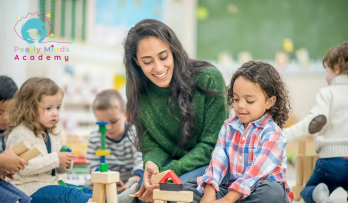
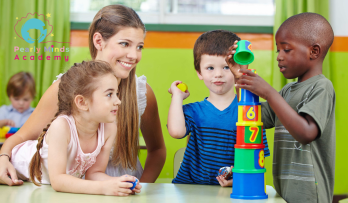
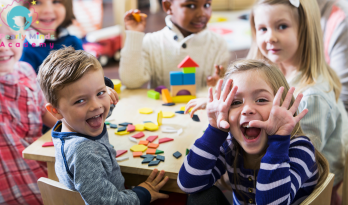
Through play, children learn to think creatively as they build structures with blocks, invent games, or role-play different scenarios. These activities allow them to experiment with various concepts and ideas, which is essential for developing innovative thinking skills.

2. Arts and Crafts: Building Creativity Through Expression

Nursery schools often incorporate arts and crafts into their daily routines. Activities like painting, drawing, and sculpting allow children to express themselves visually and creatively. These artistic activities encourage children to think creatively as they choose colors, shapes, and patterns to create something unique. Moreover, working with different materials helps develop fine motor skills and enhances problem-solving abilities as children learn to manipulate various tools and materials.

By engaging in creative arts, children learn to appreciate the process of creation rather than focusing solely on the outcome. This mindset is essential for fostering a love for innovation and exploration throughout their educational journey.

3. Storytelling and Dramatic Play: Encouraging Imagination

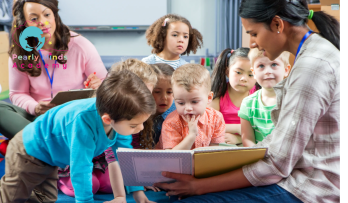
Storytelling and dramatic play are also powerful tools used in nursery schools to stimulate creative thinking. Children love to tell stories, and by creating their own narratives, they exercise their imaginations and problem-solving abilities. When children participate in role-playing activities, they take on different characters, explore various situations, and develop a deeper understanding of the world around them. This not only boosts their creativity but also enhances their social and emotional development.

Through storytelling, children are encouraged to think critically, make decisions, and create solutions to problems. Whether they are creating a story about a magical kingdom or acting out a daily life scenario, these activities help cultivate their creative potential.

4. Outdoor Play and Exploration

Outdoor play is another essential aspect of nursery school that promotes creativity. When children have the opportunity to explore nature, they engage in sensory experiences that stimulate their imagination. Whether it’s collecting leaves, playing in the sandbox, or exploring the playground, outdoor activities encourage children to use their creativity in a natural setting.

These explorations provide children with the chance to experiment with real-world materials and challenges, such as building sandcastles or creating nature-inspired art. The open-ended nature of outdoor play encourages creative problem-solving, as children must think on their feet and adapt to different situations.

Read About: Long-Term Goals of a Nursery and Their Impact on Children

5. Encouraging Independence and Decision-Making

Nursery schools foster creativity by giving children the freedom to make decisions and take responsibility for their learning. Allowing children to choose activities or select materials encourages them to think independently and creatively. When children are given choices, they are more likely to engage in activities that spark their curiosity and creativity.

This sense of autonomy helps children develop critical thinking skills and confidence in their ability to solve problems. Encouraging children to make decisions also teaches them that there are many different ways to approach a problem or task, which is a key component of creative thinking.

6. Collaboration and Group Activities

Nursery schools also promote creative thinking through collaboration and group activities. Working together in groups allows children to share ideas, listen to others, and learn from their peers. Group activities like building a structure with blocks or creating a collaborative mural encourage children to brainstorm, share ideas, and collaborate on creative solutions.

Collaboration fosters teamwork and communication skills, both of which are important for creative thinking. Through group projects, children learn that creative ideas often emerge through collective efforts, and that sharing and discussing ideas can lead to innovative solutions.

7. Encouraging a Growth Mindset

One of the most important ways nursery schools encourage creative thinking is by promoting a growth mindset. When children are taught that intelligence and creativity can grow with effort and practice, they are more likely to embrace challenges and take risks. A growth mindset encourages children to see mistakes as learning opportunities and pushes them to keep experimenting and thinking creatively.

Teachers who foster a growth mindset create an environment where children feel safe to express themselves and try new things without the fear of failure. This mindset is key to developing creative thinking skills that will serve children throughout their lives.

4Dec2024

A nursery plays a crucial role in the early development of children, providing them with a solid foundation for their future growth. In today’s fast-paced world, the demand for quality childcare services has risen significantly, as more parents seek professional environments where their children can thrive. This article explores the key reasons why a nursery is vital for children’s development and well-being.

1. Social and Emotional Development

One of the primary benefits of enrolling a child in a nursery is the opportunity for early socialization. Children learn essential social skills such as sharing, cooperation, and communication with their peers. These interactions help them develop emotional intelligence and empathy, essential traits for building healthy relationships throughout life.

Nurseries offer a structured environment where children can engage in group activities and build friendships. The early exposure to social settings fosters a sense of belonging and helps children learn how to navigate various social situations, which is crucial as they enter school and beyond.

2. Cognitive and Academic Growth

Nurseries play a significant role in stimulating a child’s cognitive development. Through age-appropriate activities such as storytelling, problem-solving games, and creative exercises, children begin to develop critical thinking skills and a love for learning.

Educational curriculums in nurseries often incorporate foundational subjects like language, math, and science, helping children acquire basic knowledge that will serve them well in their formal schooling years. Early exposure to structured learning boosts their cognitive abilities and enhances their academic performance in the future.

3. Development of Independence

A nursery environment encourages children to become more independent. Away from their parents, children are taught how to manage their daily routines, such as eating, dressing, and tidying up. They also learn to follow instructions and make decisions on their own, boosting their confidence and self-esteem.

Independence is a key factor in building resilience and preparing children for the challenges they will face in their academic and social lives. In nurseries, children are gently guided to explore their environment, discover new things, and develop a sense of responsibility.

4. Improved Communication Skills

Communication is an essential skill that children begin to develop early in life. In a nursery, children are encouraged to express themselves verbally and non-verbally. They participate in discussions, ask questions, and learn how to articulate their thoughts clearly. These early interactions with caregivers and peers help children refine their language skills, setting the stage for better communication throughout their lives.

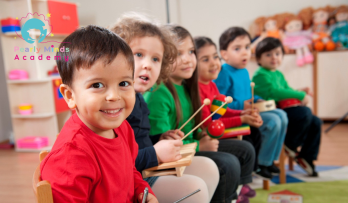
Nurseries also often use storytelling, music, and group activities to foster language development, which is vital for academic success and social integration.

Read About: The Role of Nursery Schools in Supporting Children’s Social Development and Friendship Formation

5. Physical Development

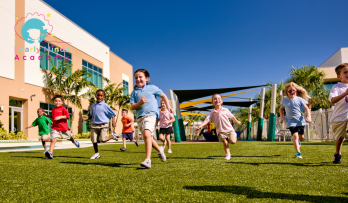
Physical activity is another crucial aspect of a child’s development in a nursery. Many nurseries offer outdoor playtime and physical activities that help children develop their motor skills, coordination, and overall health. Through activities like running, climbing, and playing with toys, children improve their fine and gross motor skills.

Physical development is intertwined with cognitive and emotional growth. As children engage in physical activities, they not only build strength and coordination but also learn about teamwork, turn-taking, and healthy habits.

6. Preparation for School

Enrolling children in a nursery helps them transition smoothly into the school environment. Nurseries follow structured schedules that resemble school routines, helping children adjust to a more formal educational setting. Children who attend nurseries are generally more comfortable with structured learning environments, making their entry into school less stressful.

Additionally, nurseries help children acquire skills such as sitting still for extended periods, listening to instructions, and interacting with a teacher, all of which are essential for success in primary school.


30Nov2024

Nursery schools play a crucial role in shaping the early social development of children. These early years are formative, as they are a time when children begin to learn about themselves and the world around them. One of the most important aspects of this development is the ability to form friendships, a skill that is often cultivated and nurtured in nursery settings. This article will explore how nursery schools support children in forming friendships and how these interactions lay the foundation for their social development.

The Importance of Socialization in Early Childhood

Socialization is an essential aspect of early childhood development. It helps children understand the importance of cooperation, sharing, empathy, and communication. In a nursery environment, children are exposed to a diverse range of peers, each with their own personalities, preferences, and ways of interacting. This exposure is vital for children to learn how to navigate different social situations, understand group dynamics, and develop positive relationships with others.

Creating a Safe and Supportive Environment

A nursery school provides a structured yet nurturing environment where children can interact with others in a safe space. Teachers and caregivers create an atmosphere of trust and respect, which is essential for children to feel comfortable enough to approach others and form connections. By promoting positive behaviors such as kindness, respect, and empathy, nursery schools set the foundation for healthy relationships and lasting friendships.

Encouraging Group Play and Activities

Group play is one of the most effective ways for children to develop social skills and form friendships. Nursery schools incorporate group activities that encourage teamwork, sharing, and problem-solving. Whether through structured activities like art projects, games, or storytelling sessions, children are given opportunities to collaborate and engage with their peers. These activities teach children the value of cooperation, help them understand social rules, and foster a sense of belonging within the group.

Role of Teachers in Facilitating Friendships

Teachers and caregivers play a significant role in guiding children’s social interactions. They model positive behaviors, intervene when necessary to resolve conflicts, and encourage children to communicate effectively with one another. By facilitating communication between children, teachers can help them navigate the complexities of friendship-building, such as understanding different emotions, resolving disagreements, and learning how to express their feelings in constructive ways.

Benefits of Early Friendships in Nursery Schools

The friendships children form in nursery schools have lasting benefits. Early friendships teach children how to manage emotions, deal with conflict, and build trust. These social skills are essential for success in later life, both in school and beyond. Moreover, forming friendships at an early age helps children develop a sense of self-worth and confidence, as they learn that they are valued and respected by others.


29Nov2024

Field trips play a significant role in a child’s learning and development. These educational excursions provide children with hands-on experiences that go beyond the traditional classroom setting, making learning more engaging and enjoyable. However, when planning field trips for young children, especially those in nurseries, it is crucial to choose appropriate and safe locations. Nurseries have a vital role in selecting these places to ensure that they contribute positively to the children’s growth while adhering to safety standards.

The Educational Value of Field Trips for Children

Field trips are a powerful tool for enhancing children’s education. They offer an opportunity to explore the world beyond the classroom, introducing them to new environments, cultures, and activities. By participating in field trips, children can observe real-life examples of the concepts they learn in school, making abstract ideas more tangible and easier to understand.

For instance, a visit to a museum can bring history or science to life. A trip to a farm can teach children about animals, plants, and the importance of agriculture. These experiences foster curiosity, creativity, and critical thinking. Additionally, field trips encourage socialization as children interact with their peers, teachers, and people outside their immediate circle.

The Role of Nurseries in Selecting Suitable Locations

Nurseries play an essential role in organizing safe and educational field trips for children. Their responsibility extends beyond just logistics and transportation. They must choose locations that are not only fun and exciting but also suitable for the developmental needs of young children.

1. Age-Appropriateness of Locations: Nurseries should carefully consider the age group they are working with. Activities and environments should be tailored to the developmental stage of the children. For younger children, hands-on, sensory experiences like visiting a petting zoo or an art gallery with interactive exhibits are ideal. Older children may benefit from more complex field trips, such as botanical gardens or science centers where they can participate in guided educational activities.

2. Safety and Accessibility: Safety is a top priority when selecting field trip locations. Nurseries must ensure that the destination is equipped with child-friendly facilities, such as secure fencing, age-appropriate playgrounds, and proper supervision. Locations should also be accessible, providing safe paths for walking, proper seating arrangements, and facilities for children with special needs if required.

Read About: Summer Camp

3. Educational Content and Engagement: Nurseries should prioritize locations that offer valuable learning experiences that align with the educational curriculum. This might include interactive exhibits, workshops, or guided tours designed to engage young children actively. An enriching experience will help solidify the concepts children are learning and inspire them to continue exploring new ideas outside of the classroom.

4. Health and Hygiene: Ensuring the cleanliness and hygiene of the venue is crucial. Nurseries should verify that the locations adhere to public health standards, offering sanitized restrooms, eating areas, and overall environments where children can play and learn without risk to their health.

Benefits of Well-Planned Field Trips

When nurseries select the right locations for field trips, they provide children with invaluable benefits. These include:

  • Enhancing cognitive development: Exposure to new concepts and environments broadens a child’s understanding and helps develop problem-solving skills.
  • Boosting emotional development: Being in new settings encourages children to build self-confidence and social skills. They learn to navigate unfamiliar spaces and interact with others.
  • Fostering curiosity and creativity: Field trips stimulate children’s natural curiosity and inspire them to ask questions and think creatively.
  • Encouraging teamwork and collaboration: Through group activities, children learn to collaborate and support each other in a team environment.

26Nov2024

Daycare centers play a vital role in the early stages of a child’s life, offering more than just supervision while parents are at work. These centers are an essential environment for fostering emotional, social, and cognitive growth, which are critical elements in the psychological development of children. In this article, we will explore the importance of daycare in shaping a child’s mental health, well-being, and overall development.

What is the Role of Daycare in a Child’s Psychological Development?

Daycare centers provide a structured setting where children can develop various skills in a safe, nurturing environment. This early childhood setting is one of the first experiences outside of the home, which means it plays a significant role in a child’s psychological preparation for later stages of life. Some of the most critical ways daycare contributes to a child’s psychological growth include:

1. Socialization Skills

One of the primary benefits of daycare is the opportunity it provides for children to interact with their peers. At a daycare center, children learn how to share, communicate, and collaborate. They gain valuable social skills such as conflict resolution, empathy, and cooperation. These interactions form the foundation for developing positive relationships later in life and help children adapt better to group settings in school and beyond.

2. Emotional Regulation

Daycare settings encourage emotional growth by helping children understand and regulate their emotions. Teachers and caregivers often guide children in identifying their feelings and learning how to express them appropriately. By experiencing a range of emotions in a social setting, children can better manage stress, frustration, and excitement. This emotional regulation is crucial in building resilience and confidence.

3. Cognitive and Academic Readiness

Daycare centers often provide early learning opportunities that contribute to a child’s cognitive development. Structured activities like storytime, basic math, art, and games encourage problem-solving and intellectual curiosity. These activities help enhance a child’s cognitive skills, such as attention span, memory, and creativity, all of which are foundational for academic success in later years.

4. Building Independence and Self-Esteem

Daycare offers a space where children are encouraged to develop a sense of autonomy. They are given opportunities to make decisions, manage daily routines, and take responsibility for their actions. This fosters a sense of independence and boosts self-esteem, helping children feel capable and confident in their abilities. As they learn to solve problems on their own and navigate social situations, their self-confidence increases, which is crucial for their psychological health.

Read About: Easing Your Child in Nursery: Here are the top tips

5. Reducing Separation Anxiety

For many young children, the transition from home to daycare can be challenging, particularly if it involves separation from parents. However, daycare helps children gradually adjust to being away from their primary caregivers in a safe and supportive environment. Over time, this experience can reduce separation anxiety, as children learn to trust other caregivers and feel secure in their new surroundings.

How Daycare Supports Mental Health

Daycare centers also play an important role in supporting the mental health of children. Positive experiences in daycare can contribute to better mental well-being by:

  • Creating a Routine: Children thrive in environments where there is structure. Daycare centers often provide a predictable routine, which helps children feel more secure and confident. A structured day gives children the stability they need to focus on their development.
  • Providing Emotional Support: Trained caregivers are often equipped to recognize signs of distress, anxiety, or behavioral issues in children. By offering emotional support and intervening when necessary, daycare centers can help mitigate mental health issues before they become more serious.
  • Promoting Positive Attachment: In daycare, children have the opportunity to form positive attachments with caregivers other than their parents. This can be beneficial for their emotional and psychological development, helping them build trust and develop healthy attachment patterns.

25Nov2024

Nursery schools play a crucial role in shaping the early education of children. One of the most significant responsibilities of these institutions is selecting an appropriate educational curriculum that aligns with the developmental needs of young learners. Early childhood education sets the foundation for lifelong learning, and the curriculum chosen by nursery schools directly influences the intellectual, emotional, social, and physical development of children. In this article, we will explore the role of nursery schools in selecting the right curriculum and the factors that impact this decision, focusing on the importance of a well-suited approach to early education.

Why Choosing the Right Educational Curriculum Matters for Nursery Schools

The early years of a child’s life are vital for their cognitive and emotional growth. Nursery schools serve as the first formal educational experience for many children, and the curriculum adopted during this stage can significantly impact their future academic and personal success. The right curriculum fosters essential skills, encourages creativity, and prepares children for future learning experiences. Choosing the right educational approach ensures that children are engaged, motivated, and supported in their developmental milestones.

Types of Educational Curricula for Nursery Schools

Nursery schools have several curriculum options to choose from. Each curriculum model offers distinct benefits that cater to different learning styles and child development needs. Below are some of the most popular educational frameworks used in nursery schools:

1. Montessori Method

The Montessori approach is one of the most well-known educational models for young children. This method focuses on self-directed learning, hands-on activities, and individualized instruction. It encourages children to explore their interests at their own pace, helping them develop independence, problem-solving abilities, and critical thinking skills.

Read About: interested in Montessori curriculum

2. Reggio Emilia Approach

The Reggio Emilia approach emphasizes collaborative learning through exploration, creativity, and expression. This child-centered approach encourages children to engage in projects, use art to express their ideas, and work together to solve problems. The environment plays a key role in this approach, and it is seen as the “third teacher” in facilitating learning.

3. Waldorf Education

Waldorf education emphasizes imagination and creativity through arts, movement, and nature-based learning. This approach aims to nurture children’s emotional, intellectual, and social development by integrating arts and play into everyday learning. Waldorf educators focus on cultivating a sense of wonder in children and supporting them in their exploration of the world around them.

4. HighScope Approach

The HighScope curriculum is based on active learning, where children are encouraged to make choices, plan their activities, and reflect on their learning experiences. This approach emphasizes the importance of structured play and supports children in developing critical thinking and decision-making skills.

Key Factors Influencing Curriculum Selection in Nursery Schools

When selecting a curriculum, nursery schools consider several important factors. These factors ensure that the chosen approach is best suited to the children’s needs, the educational goals of the institution, and the expectations of parents and educators. Below are the main elements influencing the decision-making process:

1. Child Development Needs

At the heart of curriculum selection is the developmental stage of the children. Nursery schools need to assess the developmental needs of the children in their care, ensuring that the curriculum fosters cognitive, social, emotional, and physical growth. An ideal curriculum should support all areas of development and be flexible to accommodate different learning styles and abilities.

2. Teacher Expertise

The qualifications and experience of teachers are crucial in the successful implementation of a particular curriculum. Teachers must be trained in the chosen approach, whether it’s Montessori, Reggio Emilia, or another method, to effectively guide and support the children’s learning experiences. Nursery schools should ensure that their educators are skilled and knowledgeable in the chosen educational model.

3. Parental Expectations

Parents often have specific expectations regarding their children’s education. Nursery schools need to take into account the desires of parents while selecting a curriculum. Whether parents prefer a more structured or flexible approach, the chosen curriculum should align with their values and educational goals.

4. Cultural and Community Context

The cultural background of the community and the nursery school’s mission also play a significant role in the curriculum decision. Nursery schools must choose a curriculum that aligns with the cultural values of the families they serve. Additionally, the local community’s educational standards and expectations may influence the selection of an appropriate curriculum.

5. Inclusivity and Diversity

An inclusive curriculum is one that caters to the needs of all children, including those with special educational needs or disabilities. Nursery schools must ensure that the curriculum they choose promotes equality and inclusion, providing every child with the opportunity to succeed and thrive in the learning environment.


11Nov2024

Early childhood education is a critical time for the development of children. During this period, the brain is highly receptive to new information, and educational activities in preschool provide children with essential skills and knowledge that set the foundation for lifelong learning. In this article, we’ll discuss why educational activities in preschool are important for children’s growth and how these activities impact various aspects of development, preparing them for future academic and social success.

Cognitive Development: Building Strong Foundations

Preschool educational activities play a key role in cognitive development. Activities such as sorting, matching, counting, and storytelling encourage children to think, remember, and solve problems. These cognitive skills are essential as they help children develop the mental abilities needed for more complex learning in later years. By engaging in stimulating activities, children enhance their critical thinking and reasoning abilities, which prepare them for the academic challenges that lie ahead.

Social and Emotional Skills: Learning to Interact with Others

One of the major benefits of preschool educational activities is the development of social and emotional skills. Through group activities, role-playing, and cooperative games, children learn to interact with their peers, share, and build empathy. These social skills are vital for building relationships and understanding the feelings of others. Developing emotional intelligence at a young age helps children manage their emotions, improves their self-awareness, and prepares them for positive social interactions in school and beyond.

Enhancing Creativity and Imagination

Creativity is a critical aspect of childhood development, and preschool activities are designed to nurture this quality. Activities like drawing, painting, crafting, and imaginative play encourage children to explore their creative side. These activities allow children to express themselves and think creatively, helping them to develop innovative thinking skills. Creative activities not only boost self-confidence but also instill a love for the arts and problem-solving from an early age.

Language and Communication Skills: Building a Strong Vocabulary

Language development is a primary focus in preschool. Educational activities such as reading, singing, and group discussions help children build vocabulary and improve their communication skills. Through these activities, children learn new words, understand sentence structure, and gain confidence in expressing their thoughts. Effective communication skills are vital for academic success and healthy relationships, making language development a crucial element of preschool education.

Read about: The Impact of Technology and Educational Apps on Children’s Learning

Physical Development: Improving Motor Skills

Preschool activities often include physical tasks that help children develop fine and gross motor skills. Activities like cutting, coloring, and using building blocks enhance fine motor skills by improving hand-eye coordination. On the other hand, outdoor play and physical exercises strengthen gross motor skills, helping with balance, coordination, and physical fitness. Developing these motor skills early promotes better physical health and coordination, which are beneficial for sports and other physical activities in school.

Preparing for Academic Success: Setting the Stage for Future Learning

Educational activities in preschool introduce children to basic academic concepts, such as letters, numbers, shapes, and colors. Familiarity with these concepts provides children with a head start in literacy and numeracy, preparing them for more formal education in elementary school. Preschool activities also help children adapt to classroom routines, teaching them discipline, patience, and focus, which are essential for future academic success


5Nov2024

Art education plays a vital role in child development, fostering creativity, improving cognitive skills, and enhancing emotional well-being. Teaching art to children is not just about creating visually appealing works; it’s about encouraging them to think outside the box and develop critical life skills. This article delves into the benefits of teaching art to children and explores how it positively impacts their creative thinking.

Why is Art Education Important for Children?

1. Encourages Creative Expression
Art allows children to express themselves freely, giving them the chance to share their thoughts, emotions, and ideas in unique ways. Whether through painting, drawing, or sculpting, children learn to communicate visually, nurturing a strong sense of self-expression.

2. Enhances Problem-Solving Skills
Creating art often involves problem-solving and decision-making. Children learn to tackle challenges, make choices about colors, shapes, and materials, and find innovative ways to bring their ideas to life. This process improves critical thinking and teaches flexibility when faced with creative challenges.

3. Boosts Emotional Development
Art helps children process their emotions in a safe, non-verbal way. By engaging in artistic activities, they develop emotional intelligence, learn to handle their feelings constructively, and gain confidence, which is essential for social interactions and self-awareness.

Key Benefits of Teaching Art to Children

1. Improved Motor Skills
Art activities such as drawing, painting, or sculpting help refine fine motor skills. Holding a paintbrush, cutting with scissors, and molding clay all require precise hand movements, which improve coordination and build strength in small muscles.

2. Enhanced Academic Performance
Studies show that art education positively impacts children’s academic success. Art activities stimulate parts of the brain involved in math, language, and problem-solving. Children exposed to art are often better equipped to understand complex ideas and improve their focus and attention.

3. Development of Cultural Awareness
Learning about art introduces children to different cultures, historical contexts, and artistic styles. Exposure to diverse art forms helps children appreciate various cultural expressions and promotes open-mindedness, empathy, and a global perspective.

4. Encourages Perseverance and Patience
Creating art is often a time-intensive process that requires patience and persistence. Children learn the value of perseverance by working on projects that take time to complete. This experience instills discipline and resilience, helping them approach tasks with a positive, determined attitude.

Key Benefits of Teaching Art to Children

Key Benefits of Teaching Art to Children

How Art Impacts Creative Thinking in Children

1. Expands Imagination
Art encourages children to think beyond the ordinary, expanding their imagination and allowing them to envision new possibilities. By exploring abstract concepts and experimenting with different materials, they develop innovative thinking skills, which can apply to other academic and personal pursuits.

2. Encourages Divergent Thinking
In art, there is rarely a single “correct” way to create. This environment fosters divergent thinking, where children learn to generate multiple solutions to a problem. Divergent thinking is essential for creative problem-solving, helping children approach challenges with flexibility and openness.

3. Boosts Confidence in Taking Risks
Creating art requires children to take risks and make choices, such as trying a new color or technique. Art classes provide a safe space where mistakes are part of the learning process, helping children develop confidence in their ideas and encouraging them to experiment without fear of failure.

4. Fosters Curiosity and Exploration
Art allows children to explore materials, textures, and forms, sparking curiosity and the desire to learn. This inquisitive mindset nurtures a love for learning, encouraging children to ask questions, seek new experiences, and become more engaged learners.

Read More:How to Teach Children to Respect Others and Embrace Differences

Practical Art Activities to Foster Creativity in Children

1. Drawing and Painting
Drawing and painting allow children to explore colors, shapes, and lines, improving their fine motor skills and self-expression. Encourage them to experiment with various mediums like watercolors, crayons, and markers.

2. Collage Making
Creating collages from magazine cutouts, paper scraps, or fabric pieces encourages children to think creatively about composition and texture. This activity improves decision-making and visual organization skills.

3. Sculpture and Clay Modeling
Working with clay or modeling dough helps children develop spatial awareness and fine motor skills. Sculpting also allows children to bring their ideas into three-dimensional form, enhancing creativity and problem-solving abilities.

4. Storytelling Through Art
Encourage children to create artwork that tells a story or represents a favorite character. This activity combines visual creativity with narrative skills, fostering imaginative thinking and communication abilities.

How Parents and Educators Can Support Art Education

1. Provide Access to Art Supplies
Ensure children have access to various art materials, such as colored pencils, paints, paper, clay, and more. A diverse range of supplies encourages experimentation and creative exploration.

2. Celebrate Effort, Not Just Results
Focus on the creative process rather than the finished product. Praising children for their effort and unique ideas boosts their confidence and helps them feel proud of their creative journey.

3. Expose Children to Art in Different Forms
Take children to museums, art galleries, or cultural events to expose them to various art forms. Discuss the different techniques, colors, and styles, encouraging them to explore their interests and develop a broader understanding of art.

4. Incorporate Art into Daily Activities
Integrate art into everyday activities, such as cooking, gardening, or even storytelling. Encourage children to draw or paint about their day, promoting creative thinking in all aspects of life.


4Nov2024
Teaching children to respect others and embrace differences is crucial for raising empathetic, open-minded individuals. In a diverse world, learning to appreciate others’ backgrounds, perspectives, and choices builds stronger relationships and fosters a more inclusive society. This article explores practical ways to teach children respect for others, helping them understand the value of kindness, empathy, and acceptance.

Why is Teaching Respect and Embracing Differences Important?

1. Encourages Empathy and Understanding
By learning to respect others, children develop empathy, allowing them to understand and connect with people from different backgrounds. Empathy encourages positive interactions and builds bridges across cultures, beliefs, and experiences.

2. Promotes Positive Social Skills
Respecting others helps children learn essential social skills, including active listening, patience, and tolerance. These skills improve their ability to form friendships and work cooperatively, contributing to their emotional and social development.

3. Prepares Children for a Diverse World
In our interconnected world, children will interact with people of various backgrounds and beliefs. Teaching them to embrace differences prepares them for diverse environments, equipping them with the mindset needed for a harmonious, inclusive society.

Practical Tips for Teaching Children to Respect Others and Embrace Differences

Practical Tips for Teaching Children to Respect Others and Embrace Differences

Practical Tips for Teaching Children to Respect Others and Embrace Differences

1. Lead by Example
Children observe and mimic the behavior of adults around them. Displaying respectful behavior and open-mindedness teaches children to do the same.

  • Tip: Show respect by listening attentively to others, using polite language, and celebrating diversity. Explain to your child why respecting others is essential and how it contributes to building positive relationships.

2. Encourage Open Communication
Creating an environment where children feel safe to express themselves helps them understand the importance of listening and valuing other people’s opinions.

  • Tip: During family discussions, allow each person to share their views and encourage your child to do the same. This practice helps them understand that different perspectives are valuable.

3. Introduce Books and Media That Promote Diversity
Children’s books, shows, and movies can introduce different cultures, abilities, and perspectives in an engaging way, helping children appreciate diversity.

  • Tip: Choose age-appropriate books and media that feature diverse characters and storylines. Discuss the messages with your child afterward, helping them understand the importance of accepting and respecting differences.

4. Celebrate Cultural Events Together
Celebrating cultural events and holidays from different backgrounds can be an enriching experience. It teaches children to appreciate customs, traditions, and values from around the world.

  • Tip: Participate in cultural festivals or create small celebrations at home to introduce children to different traditions. Encourage questions and open conversations about the significance of each tradition.

5. Teach Kindness and Empathy Through Role-Playing
Role-playing can help children practice empathy and understand how to react in different social situations.

  • Tip: Use role-playing games to explore scenarios where kindness and respect are needed, such as welcoming a new student at school or understanding a friend’s feelings. This practice teaches children to approach situations with empathy and consideration for others.

6. Address Biases and Stereotypes Early
Children can develop biases from various sources, so it’s essential to address stereotypes openly and provide context.

  • Tip: If your child expresses a biased opinion, discuss it with them in a non-judgmental way. Explain why stereotypes are often inaccurate and encourage them to question generalizations.

7. Encourage Friendships with Diverse Groups
Encourage your child to form friendships with peers from different backgrounds to naturally promote respect and understanding.

  • Tip: Enroll your child in diverse extracurricular activities or community groups where they can meet children from various backgrounds. Building relationships with different individuals will broaden their perspective and help them appreciate diversity.

Read About: The Importance of Group Play in Developing Communication Skills in Children

8. Teach Problem-Solving and Conflict Resolution
Learning how to resolve conflicts respectfully is a valuable skill. Teach your child to approach disagreements with an open mind and to seek understanding before reacting.

  • Tip: When conflicts arise, encourage your child to express their feelings calmly and listen to the other person’s perspective. Help them brainstorm respectful solutions to disagreements, reinforcing the importance of mutual respect.

Handling Common Challenges

Challenge 1: Overcoming Peer Pressure
Children may feel pressured to conform to their peers’ behaviors, which could include disrespect or intolerance.

  • Solution: Encourage your child to stand up for their values and discuss the importance of respecting others, even if others do not.

Challenge 2: Correcting Disrespectful Behavior
If your child displays disrespectful behavior, it’s crucial to address it thoughtfully.

  • Solution: Explain why the behavior is hurtful and discuss how to respond differently. Reinforce the importance of respect and kindness as core family values.

2Nov2024

Group play plays a pivotal role in helping children develop essential communication skills that they will use throughout their lives. Through shared activities, games, and social interactions, children learn to express themselves, understand others, and build stronger relationships. In this article, we’ll explore the significance of group play in enhancing a child’s communication abilities, and how parents and educators can encourage it for healthier social development.

Why is Group Play Important for Communication Skills?

1. Encourages Verbal Expression
Group play provides children with opportunities to voice their ideas, needs, and opinions. Whether discussing game rules, expressing excitement, or sharing feelings, children learn to communicate their thoughts more clearly in group settings.

2. Develops Listening Skills
Effective communication isn’t only about speaking but also listening. In group play, children learn to listen actively to others, understand instructions, and respond appropriately, which is key to successful communication in any relationship.

3. Promotes Cooperation and Compromise
Group play requires children to work together to achieve common goals, teaching them the importance of cooperation. They learn to negotiate, take turns, and compromise, all of which are essential for positive social interactions and healthy relationships.

4. Builds Empathy and Understanding
By interacting with peers, children learn to recognize and understand different perspectives. This experience fosters empathy, helping them relate to others’ feelings and emotions—a crucial skill for effective communication.

Key Benefits of Group Play for Communication Skills Development

1. Confidence in Self-Expression
Children who engage in group play tend to become more confident in expressing themselves. As they share ideas and interact with others, they become more comfortable communicating and gain the confidence to speak up in other settings, such as school or family gatherings.

2. Improved Problem-Solving Skills
In group play, children often encounter situations where they need to solve conflicts or make decisions together. Through these scenarios, they learn to communicate effectively to resolve issues, think critically, and come up with solutions that work for everyone involved.

3. Learning Nonverbal Cues
Communication extends beyond words; body language, facial expressions, and gestures play a vital role. Group play allows children to observe and interpret these nonverbal cues, helping them understand others’ feelings even when words are not used.

Key Benefits of Group Play for Communication Skills Development

Key Benefits of Group Play for Communication Skills Development

Examples of Group Play Activities That Enhance Communication Skills

1. Team Sports
Sports like soccer, basketball, or volleyball require children to communicate with teammates constantly. These sports teach them to express themselves under pressure, listen to instructions, and coordinate with others to achieve common goals.

2. Board Games and Cooperative Games
Board games require communication, rule-following, and turn-taking, which help children develop patience and understanding. Cooperative games, where players work together to achieve a shared objective, teach them teamwork, compromise, and active listening.

3. Dramatic Play and Role-Playing
Role-playing activities allow children to act out different scenarios, from playing house to pretending to be professionals in various fields. This imaginative play encourages self-expression and helps children explore different ways of communicating based on different social roles.

4. Group Art Projects
Art projects that involve multiple children, such as creating a mural or building a model together, promote communication and teamwork. They learn to share materials, discuss ideas, and appreciate each other’s contributions.

Read More: The importance of teaching children social skills

How Parents and Educators Can Encourage Group Play

1. Create Safe and Inclusive Play Environments
Parents and educators can create spaces where children feel safe and comfortable to interact with others. Inclusive environments promote open communication and help children build trust with their peers.

2. Encourage Diverse Group Activities
Offering a range of group activities—from sports to creative arts—helps children with different interests and personalities engage in group play. The variety also ensures that children can develop communication skills in multiple contexts.

3. Model Positive Communication
Adults can demonstrate positive communication behaviors such as active listening, respectful speaking, and empathy. Children are likely to imitate these behaviors in their interactions with peers.

4. Provide Gentle Guidance When Needed
During group play, some children may struggle with communication challenges. Offering gentle guidance, without interrupting the natural flow of play, can help children navigate these challenges and improve their skills.